

The choice between depend on vs depend of is mainly a preposition and collocation question.
Both phrases may look possible to English learners, but standard modern English uses depend on when talking about conditions, reliance, support, or trust.
Correct:
“It depends on the weather.”
Incorrect for the intended meaning:
“It depends of the weather.”
Depend of is not a competing standard expression with a separate useful meaning in this comparison. The dependable pattern to learn is depend on.
Quick Answer
Use depend on when something is determined by a condition, when someone needs support, or when you trust someone or something.
“Our plans depend on the weather.”
“You can depend on me.”
Do not replace on with of:
Incorrect: “Our plans depend of the weather.”
Depend upon is also standard, but depend of is not an alternative.
Why People Confuse Them

English verb-preposition combinations are not always predictable from the basic meanings of individual prepositions.
Learners may expect of because it appears in many related English noun phrases and constructions. Translation patterns from other languages may also influence the choice.
However, modern English uses the established pattern depend on:
“The result depends on several factors.”
“She depends on her parents for support.”
“The decision depends on whether we get approval.”
The safest approach is to learn depend on as a complete usage pattern rather than trying to choose the preposition through literal logic.
Key Differences At A Glance
| Feature | Depend On | Depend Of |
|---|---|---|
| Standard English | Yes | No, not for the target meaning |
| Contingency | Correct | Incorrect |
| Reliance or support | Correct | Incorrect |
| Trust | Correct | Incorrect |
| Formality | Neutral and standard | Not a formality alternative |
| Common complement | Noun, pronoun, clause, or gerund structure | Not standard in this role |
| Alternative | Depend upon | No parallel form with of |
| Example | “Success depends on preparation.” | “Success depends of preparation” is incorrect |
Examples:
“Children depend on adults for care.”
“You can depend on Sarah.”
“The result depends on preparation.”
Meaning and Usage Difference
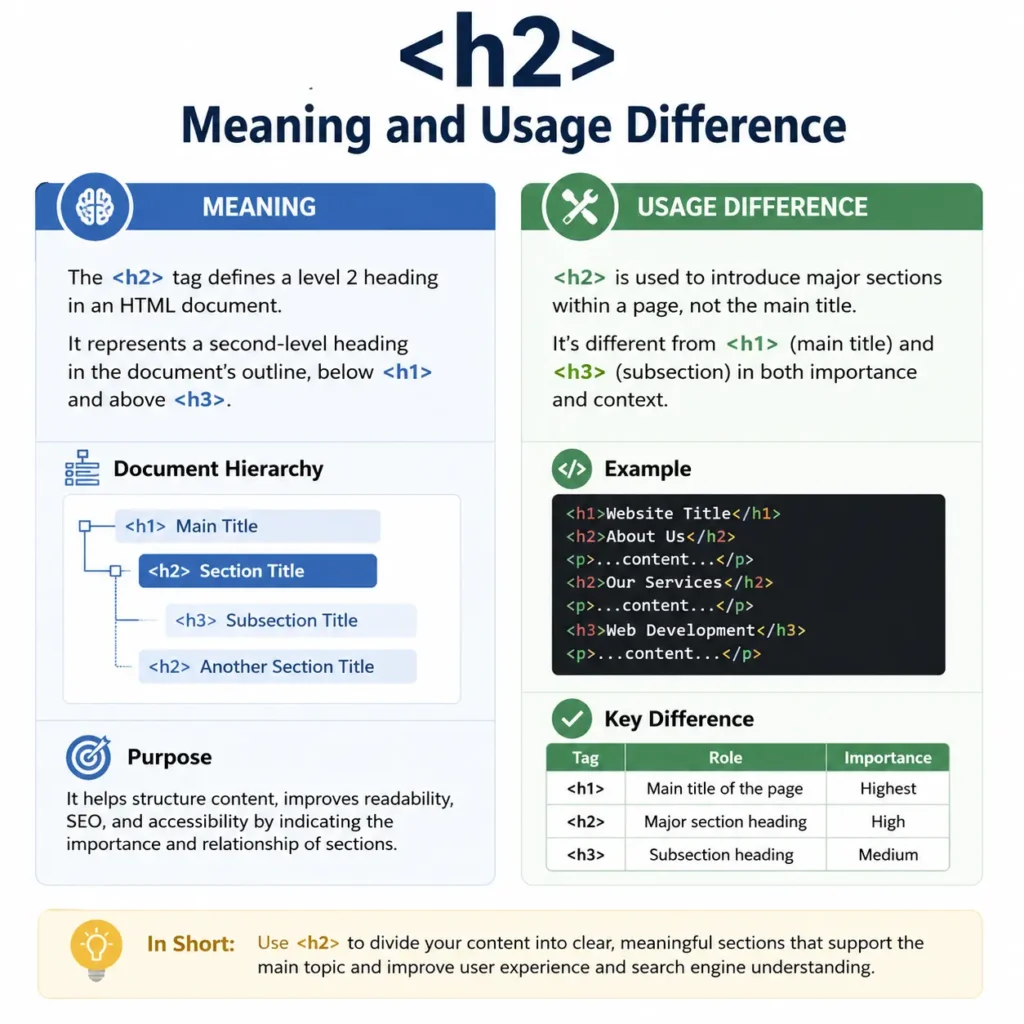
Depend is an intransitive verb. In its most common constructions, it combines with on or upon.
Be Determined or Affected By
Use depend on when one thing is determined by another:
“The price depends on demand.”
“The final date depends on availability.”
“Whether we go depends on the weather.”
Here, depend on expresses contingency.
Need Someone or Something for Support
Use depend on when someone needs another person, system, or resource:
“The family depends on one income.”
“She depends on her car for work.”
“Many students depend on financial aid.”
This meaning focuses on reliance or support.
Trust or Rely On
Use depend on when someone or something can be trusted:
“You can depend on her.”
“I know I can depend on you.”
“We depend on our team to handle emergencies.”
In all these meanings, of does not replace on.
Incorrect:
“The final date depends of availability.”
Correct:
“The final date depends on availability.”
Pronunciation does not help distinguish the choices because the verb depend is pronounced the same regardless of which preposition follows.
Tone, Context, and Formality
Depend on is neutral and standard in casual conversation, school writing, journalism, business communication, and formal prose.
Casual:
“It depends on what happens.”
Workplace:
“Approval depends on the final review.”
Academic or formal:
“The outcome may depend on several variables.”
The alternative depend upon is also standard:
“The outcome may depend upon several factors.”
It can sometimes sound slightly more formal or elevated, but its basic meaning is usually the same.
Depend of does not become correct simply because the sentence is casual, technical, or formal.
Which One Should You Use?
Use depend on when referring to a condition:
“It depends on cost.”
Use it before a person or source of support:
“We depend on them.”
Use it before a pronoun:
“You can depend on me.”
Use it before a what clause:
“The answer depends on what you need.”
Use it before a whether clause:
“It depends on whether the store is open.”
Use depend on someone or something + for when identifying the support received:
“Many families depend on the program for financial assistance.”
A useful set of patterns is:
- depend on + noun
- depend on + pronoun
- depend on + what/who/how clause
- depend on + whether clause
- depend on someone/something for something
When One Choice Sounds Wrong
Changing on to of breaks the established English construction.
Incorrect:
“I depend of my parents.”
Correct:
“I depend on my parents.”
Incorrect:
“The trip depends of the weather.”
Correct:
“The trip depends on the weather.”
Incorrect:
“The decision depends of whether we get funding.”
Correct:
“The decision depends on whether we get funding.”
Incorrect:
“We will decide depending of the situation.”
Correct:
“We will decide depending on the situation.”
Incorrect:
“Success depends of hard work.”
Correct:
“Success depends on hard work.”
Incorrect:
“You can depend of me.”
Correct:
“You can depend on me.”
These corrections apply when of is being used as the complement preposition after depend. An unrelated of elsewhere in a longer sentence may still be perfectly grammatical.
Common Mistakes
Mistake: Using “of”
Incorrect:
“It depends of the price.”
Correct:
“It depends on the price.”
Mistake: Using “from”
Incorrect for the normal target meaning:
“It depends from the weather.”
Correct:
“It depends on the weather.”
Mistake: Using “in”
Incorrect:
“I depend in him.”
Correct:
“I depend on him.”
Mistake: Using “to”
Incorrect:
“She depends to her parents for money.”
Correct:
“She depends on her parents for money.”
Mistake: Forgetting subject-verb agreement
Singular:
“It depends on the situation.”
Plural:
“They depend on public transportation.”
Mistake: Confusing “depend” with “dependent”
Verb:
“It depends on funding.”
Adjective:
“It is dependent on funding.”
Both structures use on, but depend is a verb while dependent is an adjective.
Everyday Examples
Daily Plans
“Whether we go hiking depends on the weather.”
“Our dinner plans depend on when everyone gets home.”
“It depends on what you want to do.”
Work
“The final deadline depends on client approval.”
“Several departments depend on this system.”
“You can depend on Marcus when things get difficult.”
School
“Students often depend on feedback to improve.”
“Your final grade depends on several assignments.”
“The answer depends on how you interpret the question.”
Money and Family Support
“Some families depend on one income.”
“She depends on her parents for financial support.”
“Small businesses often depend on repeat customers.”
Technology
“The app depends on an internet connection.”
“Battery life depends on how you use the device.”
“The system depends on several external services.”
Decisions and Trust
“The delivery date depends on when the order ships.”
“Our decision depends on the final cost.”
“You can always depend on her.”
Common Corrections
Incorrect: “The result depends of several factors.”
Correct: “The result depends on several factors.”
Incorrect: “It is depending of the weather.”
Correct: “It depends on the weather.”
Incorrect: “You can depend of me.”
Correct: “You can depend on me.”
Dictionary-Style Word Details
Verb
Depend on: This category fully applies.
Depend is an intransitive verb used in the established depend on or depend upon construction.
It can express:
- contingency
- reliance or support
- trust
Examples:
“The schedule depends on the weather.”
“They depend on one another for support.”
“You can depend on me.”
Depend of: This is not a standard verb-preposition construction for these meanings. Replace of with on.
Noun
Depend on: The complete phrase is not a noun.
Related nouns include dependence and dependency:
“The company’s dependence on one supplier created problems.”
Depend of: The phrase is not a noun and has no separate standard noun meaning.
Synonyms
Closest alternatives for depend on vary by meaning.
For trust or reliance:
- rely on
- count on
For contingency:
- hinge on
- be determined by
- be contingent on
- rest on, where appropriate
Examples:
“The decision hinges on the final vote.”
“You can count on me.”
“The result is determined by several factors.”
No separate synonym set applies to depend of because it is not a standard competing expression.
Example Sentences
Depend On
“The schedule depends on the weather.”
“They depend on one another for support.”
“You can depend on me.”
“The decision depends on whether we receive funding.”
“Many workers depend on public transportation.”
“The final result depends on several factors.”
Depend Of
Incorrect:
“The schedule depends of the weather.”
Correct:
“The schedule depends on the weather.”
Word History
The relevant history belongs mainly to the verb depend, not to the complete phrase as a separate expression.
The word developed through Middle English and French from Latin roots historically connected with the idea of hanging from something. Its meanings later developed to include contingency, reliance, and dependence.
Modern depend on reflects established English usage.
Depend of does not have a separate standard history as a competing construction for the target meanings.
Phrases Containing
Common patterns include:
- depend on
- depend upon
- depend on someone
- depend on something
- depend on someone for something
- it depends on
- depending on
- you can depend on it
- heavily depend on
- largely depend on
Examples:
“It depends on the situation.”
“We depend on our suppliers for materials.”
“You can depend on it.”
There is no comparable standard phrase family based on depend of.
FAQs
Is it “depend on” or “depend of”?
Use depend on.
Correct:
“It depends on the weather.”
Incorrect:
“It depends of the weather.”
Is “depend of” grammatically correct?
Not as a standard replacement for depend on when expressing contingency, reliance, support, or trust.
Say:
“She depends on her family.”
Not:
“She depends of her family.”
Why do we say “depend on” instead of “depend of”?
Because depend on is the established English verb-preposition pattern. Preposition choices in fixed combinations are not always predictable from literal meanings.
What is the difference between “depend on” and “depend upon”?
Both are standard and usually share the same meaning.
“It depends on the situation.”
“It depends upon the situation.”
Depend upon may sound slightly more formal in some contexts.
Do you say “depending on” or “depending of”?
Use depending on:
“Prices vary depending on demand.”
Do not use “depending of” for this meaning.
Can “depend” be used without “on”?
Yes. English can use depend without an expressed complement when the meaning is already clear:
“Will we go tomorrow?”
“It depends.”
You do not need on when no following condition or object is stated.
Conclusion
For this comparison, depend on is the correct standard choice.
Use it for conditions:
“It depends on the situation.”
Use it for trust:
“You can depend on me.”
Use it for reliance and support:
“They depend on their income.”
Depend of should not replace depend on in these constructions. Depend upon is also valid, but it is a separate standard alternative.
When in doubt, remember the practical rule: depend on, not depend of.


